
Imagine you’re about to step out of college, degree in hand, but the job interview throws you a curve ball: “How do you handle AI tools in problem-solving?” If that sounds familiar, you’re not alone. In today’s fast-paced world, especially in India where the job market is booming with over 78 million new opportunities by 2030 according to the World Economic Forum, a degree isn’t enough. Employers are hunting for graduates who are not just knowledgeable but skilled in ways that make them adaptable and productive from day one.
This blog post dives into the essential skills every student should learn before graduating focusing on a mix of soft and technical abilities that align with India’s growing emphasis on skill-based hiring under initiatives like Skill India. Whether you’re a science student eyeing tech role or a humanities major aiming for management, these skills will set you apart.
We’ll cover basics like communication and critical thinking, delve into core details with practical examples, explore deeper trends for 2026, weigh advantages and limitations, offer advice, answer FAQs, and wrap up with actionable insights. By the end, you’ll have a roadmap to become career-ready. Remember, as per recent reports, 94% of leaders face skill shortages in AI-critical areas, so starting now could be your edge.
What are Essential Skills?
Essential skills for students refer to a blend of competencies that go beyond academic knowledge, preparing you for real-world challenges in the workplace. These include soft skills like communication and teamwork, which help in interpersonal interactions, and hard skills like digital literacy, which involve technical proficiency. Before graduating, focusing on these ensures you’re not just employable but thriving in a competitive job market.
Why are this student skills development crucial? In India, the National Education Policy (NEP) 2020 emphasizes skill-oriented education to bridge the gap between academia and industry. With rapid technological advancements, jobs are evolving and AI integration is seen in everyday roles. According to the Ministry of Education, incorporating skills like critical thinking and problem-solving into curricula is key to fostering employability. For instance, basic career-ready skills help you navigate uncertainties, such as economic shifts or remote work demands.
Foundational concepts include categorizing skills into cognitive (e.g., analytical thinking), interpersonal (e.g., emotional intelligence), and technical (e.g., data analysis). Contextually, in 2026, with India’s push towards a $5 trillion economy, these skills align with sectors like IT, healthcare, and manufacturing. Reports from LinkedIn highlight that skills like AI literacy are depreciating traditional ones faster than ever. Starting early, through college clubs or online courses, builds a strong foundation. Ultimately, mastering these before graduation transforms you from a student to a professional ready to contribute immediately.
Types of Essential Skills
Now, let’s break down the top essential skills every student should prioritize. Based on insights from the World Economic Forum’s Future of Jobs Report 2025 and Indian industry trends, I’ve selected eight key ones, complete with explanations, how to learn them, and real-world applications.
Read More: One-Year B.Ed Course in India: Eligibility, Admission Process, NCTE Guidelines
Communication Skills
Effective communication tops many lists, including SHRM India’s recommendations. It involves clear verbal, written, and non-verbal expression. In India, where diverse teams are common, this skill prevents misunderstandings. Learn it through debates, presentations, or Toastmasters clubs.
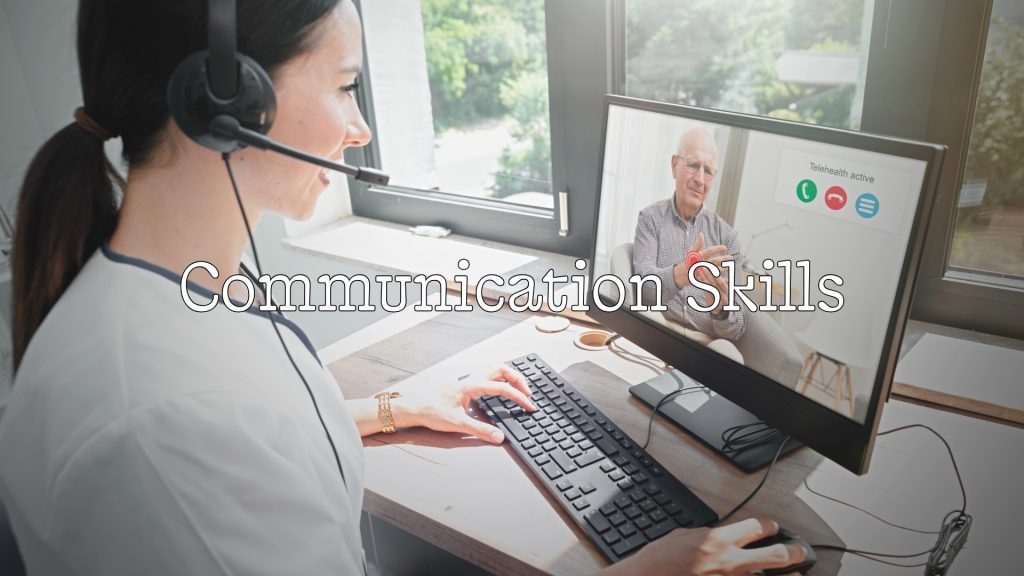
Top institutions like IITs offer communication workshops. Cost: Free online via Coursera; duration: 4-6 weeks. Example: A student pitching a startup idea secures funding by articulating benefits succinctly.
Critical Thinking and Problem-Solving
Ranked as the number one skill by WEF, this involves analyzing information objectively and devising solutions. For Indian students, it’s vital amid complex issues like sustainability challenges. Practice via case studies or puzzles on platforms like Khan Academy. Requirements:
No prior tech; just curiosity. Top colleges: IIMs integrate it into curricula. Data: 70% of companies value it highly. Example: Debugging a group project error saves time and impresses professors.
Digital Literacy and AI Fluency
With AI transforming jobs, digital skills are non-negotiable. This includes using tools like Microsoft Office, coding basics, and AI platforms. In 2026, India’s Skill India initiative targets 120 million in digital training. Learn via free MOOCs on edX. Costs: Minimal; institutions like NITs provide labs. Example: A commerce student uses AI for data analysis, landing an analytics role.
Time Management

Mastering schedules boosts productivity. Tools like Google Calendar or Pomodoro technique help. Indian reports note poor time management affects 40% of freshers. Practice by juggling assignments. No specific costs; apps are free.
Teamwork and Collaboration
Working in groups fosters innovation. LinkedIn emphasizes this for hybrid environments. Join college societies or virtual teams on Slack. Example: Collaborative hackathons at BITS Pilani lead to startups.
Emotional Intelligence (EQ)
Understanding emotions enhances relationships. EQ is rising in demand, per Reddit discussions on Indian education. Courses on Udemy cost ₹500-1000. Top unis: DU offers psychology electives.
Adaptability and Resilience
With job markets shifting, flexibility is key. WEF predicts 44% skill changes by 2030. Build through internships; platforms like Internshala are free.
Creativity and Innovation
Thinking outside the box drives progress. Indian blogs highlight this for AI-era jobs. Workshops at design schools like NID.
These skills, when honed, align with top institutions’ offerings and industry needs, costing little but yielding high returns.
Read More from Career Guidance
Understanding Essential Skills for Students
Looking ahead to 2026, essential skills evolve with trends like AI integration and sustainability. The WEF’s 2025 report forecasts analytical thinking and AI literacy as top priorities, with human-centric skills like creativity gaining traction to complement tech. In India, NEP 2020’s focus on vocational education means more schools incorporating AI labs and skill modules.
Expert insights from Achal Khanna of SHRM India stress ethical AI use and lifelong learning. Case study: A Delhi University student who learned coding via free government portals landed a role at a startup, adapting to remote AI tools during the pandemic’s aftermath. Nuances include balancing tech with soft skills and AI handles data, but humans drive innovation.
Future job market impacts: By 2026, 85% of companies plan AI training, per Cognizant reports. For students, this means upskilling in hybrid models, like virtual reality simulations. Challenges: Skill gaps in rural areas, but initiatives like SOAR aim to bridge them. Overall, deeper mastery positions you for roles in emerging fields like green tech.
Advantages and Limitations of Essential Skills
- Advantages: High employability skills like AI fluency can boost starting salaries by 20-30%; versatility across industries; personal growth, building confidence and resilience.
- Limitations: Time-intensive to learn multiple skills; access issues in underserved areas; rapid obsolescence, requiring continuous updates; potential overload if not balanced with academics.
Advice
Start small: Dedicate 1-2 hours weekly to online courses like those on NPTEL. Join campus clubs for hands-on practice. Seek internships via LinkedIn to apply skills. Track progress with a journal. Network with alumni for mentorship. Remember, consistency beats intensity and focus on one skill monthly before graduating.
FAQ,
What are the most in-demand essential skills for 2026 graduates?
AI literacy, critical thinking, and communication top the list, per WEF reports.
How can I learn these skills without extra cost?
Use free platforms like Coursera audits, YouTube, or government portals like Skill India.
Are soft skills more important than technical ones?
Both matter; soft skills like EQ complement tech, making you well-rounded.
How do these skills help in India’s job market?
They align with NEP’s skill focus, improving hireability in sectors like IT and finance.
Can I learn them during college?
Yes, through electives, projects, and extracurriculars.
What if I’m from a non-tech background?
Skills like adaptability are universal; start with basics and build up.
How to measure progress in these skills?
Self-assess via feedback from peers or online quizzes.
Conclusion
In summary, mastering essential skills like communication, critical thinking, and AI literacy before graduating equips you for India’s dynamic 2026 job landscape. These career-ready skills not only enhance employability but foster lifelong growth amid tech disruptions. As reports show, investing in them now can close the skill gap affecting millions.
Reiterate: Start today to stand out. Whether through free resources or college programs, the benefits are higher salaries, adaptability are immense. What’s one skill you’ll tackle first? Comment your thoughts below, we’d love to hear and discuss!
About The Author
